
How to Create an Electrical Maintenance Plan for Your Business
Oct 19, 2026 | Commercial, Maintenance
Electrical systems are the backbone of any commercial facility. From powering equipment and lighting to supporting critical operations, every component plays a role in keeping your business running efficiently. Without a structured maintenance plan, however, even small electrical issues can grow into costly repairs, unexpected downtime, or safety hazards.
Creating an electrical maintenance plan helps you stay ahead of potential problems through scheduled inspections, routine testing, and preventative maintenance. Whether you manage an office building, warehouse, retail space, or industrial facility, having a clear plan can improve reliability, extend the lifespan of your equipment, and support compliance with electrical safety standards.
The experts at Mario Castillo Electric are the electrical contractors that can walk commercial business owners through the key steps to creating an effective electrical maintenance plan, explain what it should include, and share best practices to help protect your business for the long term.
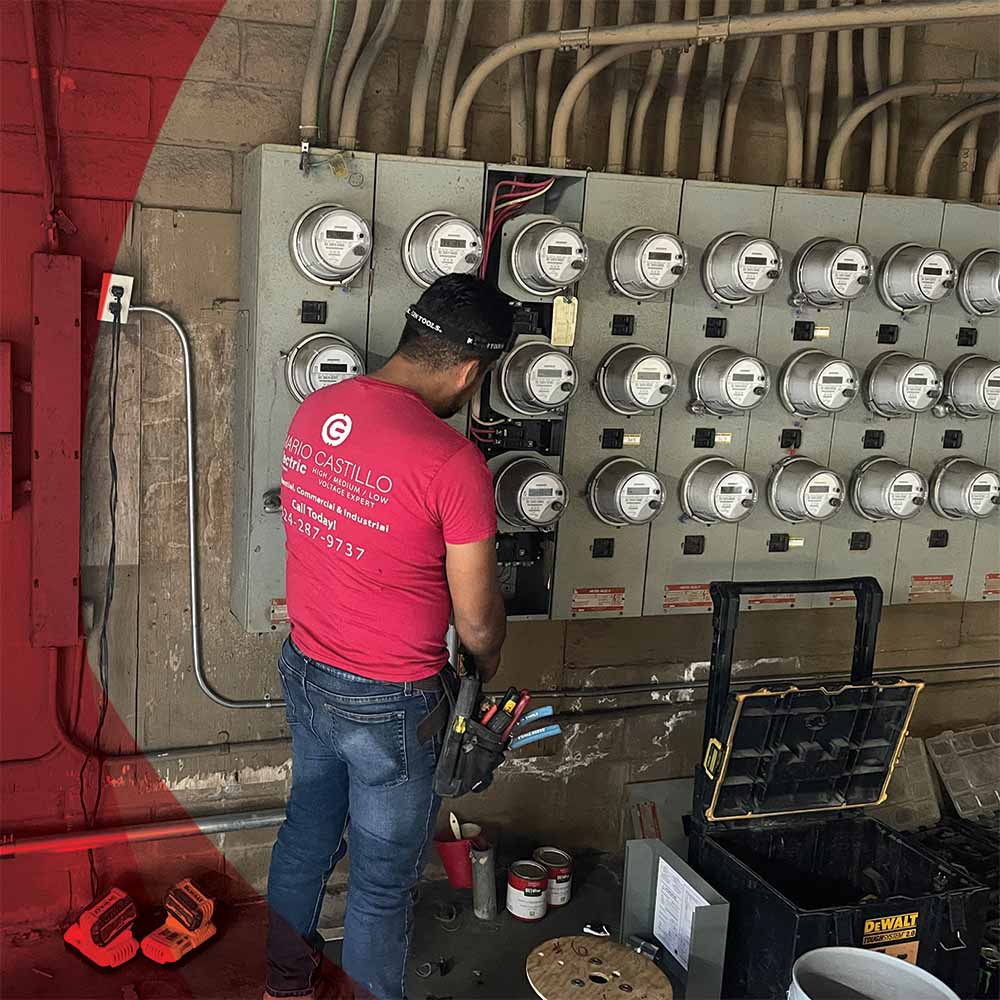
What Is an Electrical Maintenance Plan?
An electrical maintenance plan is a structured schedule for inspecting, testing, servicing, and documenting the condition of your commercial electrical systems. Rather than waiting for equipment to fail, a preventative electrical maintenance plan helps identify potential issues early so they can be addressed before they disrupt your operations.
A comprehensive electrical maintenance plan typically covers all major electrical components throughout your facility, including:
- Electrical panels and switchgear
- Circuit breakers and disconnects
- Lighting systems and controls
- Emergency and exit lighting
- Backup power systems and generators
- Electrical wiring and connections
- Surge protection devices
- Specialized equipment unique to your facility
The exact scope and maintenance schedule will depend on your building, equipment, and operational needs. High-demand facilities or businesses with critical electrical systems may require more frequent inspections than lower-use environments.
By following a documented electrical maintenance program, businesses can improve system reliability, reduce the likelihood of unexpected failures, and create a safer workplace while extending the life of valuable electrical equipment.
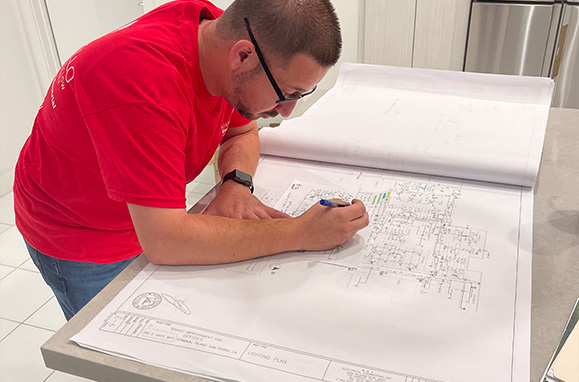
Why Every Business Needs a Preventative Electrical Maintenance Plan
An electrical maintenance plan is more than a checklist—it's a proactive strategy that helps protect your facility, employees, and day-to-day operations. Instead of reacting to unexpected electrical failures, businesses with a preventative maintenance plan can identify and resolve small issues before they become major disruptions.
Reduce Unexpected Downtime
Unexpected electrical failures can bring productivity to a standstill. A preventative maintenance plan helps uncover loose connections, worn components, overloaded circuits, and other developing issues before they lead to equipment failure or power interruptions.
By scheduling routine inspections and testing, businesses can minimize unplanned downtime and keep operations running smoothly.
Improve Workplace Safety
Electrical systems naturally experience wear over time. Without regular maintenance, damaged wiring, failing breakers, overheating equipment, or deteriorating connections can increase the risk of electrical hazards.
Routine inspections help identify safety concerns early, reducing risks to employees, customers, and your facility while supporting a safer work environment.
Extend the Life of Electrical Equipment
Replacing major electrical equipment is a significant investment. Preventative maintenance helps protect assets like electrical panels, switchgear, transformers, generators, and lighting systems by ensuring they're operating as intended.
Routine servicing can reduce unnecessary wear, improve performance, and help maximize the lifespan of your electrical infrastructure.
Support Code Compliance
Many commercial facilities are expected to maintain electrical systems in accordance with applicable safety standards and manufacturer recommendations. A documented electrical maintenance plan also makes it easier to demonstrate that inspections, testing, and repairs have been performed consistently.
Keeping accurate maintenance records can be valuable during inspections, audits, insurance reviews, and future facility upgrades.
How to Create an Electrical Maintenance Plan
An effective electrical maintenance plan doesn't have to be overly complicated. The key is creating a consistent process that identifies critical equipment, establishes maintenance schedules, and keeps accurate records over time. The following steps can help you build a plan that fits the needs of your facility.
Start by creating a complete inventory of the electrical systems throughout your building. This gives you a clear understanding of what needs to be maintained and helps ensure nothing is overlooked.
Your inventory may include:
- Electrical panels
- Circuit breakers
- Switchgear
- Transformers
- Lighting systems
- Emergency lighting
- Backup generators
- UPS systems
- Electrical disconnects
- Major production or facility equipment
Include important details such as the equipment location, installation date, manufacturer, model number, and any previous maintenance history whenever possible.
Not every piece of equipment requires the same level of attention. Focus first on systems that are essential to daily operations or could create significant disruptions if they fail.
Examples of high-priority equipment include:
- Main electrical service panels
- Distribution panels
- Emergency power systems
- Fire alarm power supplies
- Critical production equipment
- Refrigeration or HVAC electrical systems
Prioritizing these assets helps ensure maintenance resources are directed where they'll have the greatest impact.
Next, determine how often each system should be inspected, tested, or serviced. Maintenance intervals should be based on factors such as manufacturer recommendations, equipment age, operating conditions, and how heavily the equipment is used.
For example, lighting inspections may be performed quarterly, while electrical panel inspections and breaker testing may be scheduled annually. High-use equipment may require more frequent maintenance than systems that operate under lighter loads.
Tip: A documented electrical maintenance schedule helps ensure inspections happen consistently instead of being delayed until problems arise.
Using standardized checklists helps technicians perform consistent inspections every time. Checklists also make it easier to identify trends and verify that important tasks aren't missed.
A typical electrical maintenance checklist may include:
- Inspect panels for signs of overheating
- Check breaker operation
- Tighten electrical connections where appropriate
- Test emergency lighting
- Verify backup power operation
- Inspect wiring for damage or deterioration
- Look for corrosion or moisture intrusion
A comprehensive electrical maintenance checklist can help ensure every inspection is performed consistently across your facility.
Keeping detailed maintenance records is just as important as performing the work itself. Documentation provides a history of inspections, repairs, testing results, and equipment performance that can help identify recurring issues before they become major failures.
Maintain records such as:
- Inspection dates
- Test results
- Repairs completed
- Parts replaced
- Technician notes
- Recommended follow-up actions
Accurate documentation also simplifies future maintenance planning and supports compliance efforts when records are requested.
While facility teams can perform certain visual inspections, many maintenance tasks require specialized knowledge, testing equipment, and experience. Partnering with a qualified commercial electrician helps ensure inspections are thorough, maintenance follows industry best practices, and potential problems are identified before they affect your business.
An experienced electrical contractor can also help develop a customized preventative electrical maintenance plan based on your facility's equipment, operating environment, and long-term goals.
Example Electrical Maintenance Plan
While every facility has different equipment and maintenance requirements, a structured schedule makes it easier to stay organized and ensure critical systems receive attention at the right intervals.
| Electrical System | Recommended Frequency | Typical Maintenance Task |
| Electrical Panels | Annually | Visual inspection and testing |
| Circuit Breakers | Annually | Inspect and verify operation |
| Lighting Systems | Quarterly | Replace failed fixtures and inspect controls |
| Backup Power Systems | Monthly | Operational testing and inspection |
This example serves as a starting point. Your actual maintenance schedule should be tailored to your facility's equipment, operating conditions, manufacturer recommendations, and any applicable safety standards. Businesses with high electrical demands or mission-critical systems may require more frequent inspections and testing.
Common Mistakes to Avoid
Even with the best intentions, an electrical maintenance plan can fall short if important steps are overlooked. Avoiding these common mistakes will help keep your maintenance program effective and your electrical systems reliable.
- Waiting for equipment to fail before taking action. Reactive repairs are often more expensive and disruptive than scheduled preventative maintenance.
- Skipping maintenance documentation. Without accurate records, it's difficult to identify recurring issues, track equipment history, or plan future maintenance.
- Using the same schedule for every piece of equipment. Different systems have different maintenance needs based on their age, workload, and operating environment.
- Ignoring critical backup and emergency systems. Generators, emergency lighting, and backup power equipment should be tested regularly to ensure they'll perform when needed.
- Delaying recommended repairs. Small electrical issues can quickly develop into larger problems if they aren't addressed promptly.
A successful electrical maintenance plan is a living document that should evolve as your facility changes and new equipment is added. Taking a proactive approach today can help prevent costly interruptions tomorrow.
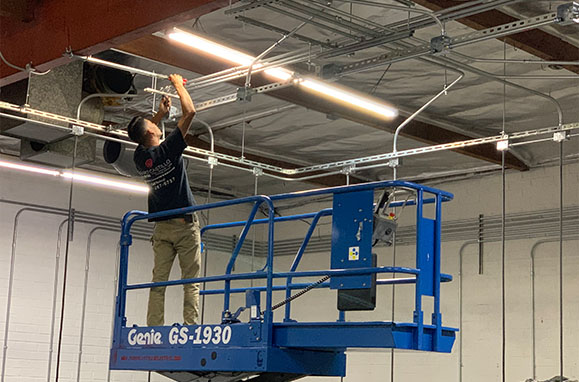
When Should You Update Your Electrical Maintenance Plan?
Creating an electrical maintenance plan is only the first step. As your business grows and your electrical systems evolve, your maintenance program should be reviewed and updated to remain effective.
Consider updating your electrical maintenance plan whenever:
- New equipment is installed. Add new electrical panels, machinery, lighting systems, or backup power equipment to your maintenance schedule.
- Your facility is expanded or renovated. Building additions and electrical upgrades often introduce new systems that require routine inspections.
- Operating conditions change. Increased production, longer operating hours, or higher electrical loads may require more frequent maintenance.
- Recurring issues are identified. If the same components repeatedly require repairs, it may be time to adjust maintenance intervals or replace aging equipment.
- Codes or manufacturer recommendations change. Reviewing your plan periodically helps ensure it aligns with current industry standards and equipment requirements.
Reviewing your maintenance plan at least once a year is a good practice for most commercial facilities. Regular updates help ensure your preventative maintenance program continues to support reliable performance, improve safety, and reduce the risk of unexpected electrical failures.
Build an Electrical Maintenance Plan That Supports Long-Term Reliability
A well-designed electrical maintenance plan helps businesses move from reactive repairs to proactive maintenance. By inventorying your equipment, establishing inspection schedules, documenting maintenance activities, and prioritizing critical systems, you can reduce downtime, extend the life of your electrical infrastructure, and improve overall reliability.
While some routine visual inspections can be handled in-house, comprehensive testing and preventative maintenance are best performed by experienced commercial electricians. Working with a qualified electrical contractor helps ensure your maintenance program is tailored to your facility, follows industry best practices, and keeps your systems operating safely and efficiently.
Whether you're creating your first electrical maintenance plan or improving an existing program, investing in preventative maintenance today can help protect your business for years to come.
Electrical Maintenance Plan Frequently Asked Questions
A comprehensive electrical maintenance plan should include an inventory of your electrical equipment, scheduled inspection and testing intervals, preventative maintenance tasks, maintenance records, repair history, and procedures for documenting future inspections. The plan should also identify critical systems that require more frequent attention.
Most businesses should review their electrical maintenance plan at least once a year. However, it's also important to update the plan whenever new equipment is installed, facility expansions are completed, operating conditions change, or recurring electrical issues are identified.
Basic visual inspections may be completed by trained facility personnel, but testing, troubleshooting, repairs, and preventative maintenance on commercial electrical systems should be performed by a qualified commercial electrician. This helps ensure the work is completed safely and in accordance with applicable standards and manufacturer recommendations.
Preventative electrical maintenance involves scheduled inspections and servicing to identify problems before they cause failures. Reactive maintenance occurs after equipment has already failed, often resulting in unplanned downtime, emergency repairs, and higher costs.
Yes. Regular inspections and preventative maintenance can identify worn components, loose connections, overheating equipment, and other developing issues before they lead to unexpected outages. This proactive approach helps improve system reliability and minimize disruptions to business operations.
Requirements vary depending on the type of facility, local regulations, insurance requirements, and industry standards. Even when a formal maintenance plan isn't specifically required, implementing one is considered a best practice for improving electrical safety, equipment reliability, and long-term system performance.
With years of experience working on homes of all shapes and sizes, our team has the knowledge and expertise necessary to help install the indoor or outdoor ceiling fan that works best for your specific needs. Trust us to help you beat the heat and stay comfortable all year round. Save up to 40% on energy costs by calling Mario Castillo Electric today.
Sign Up For Blog Updates
Join the email list to receive updates and information.
"*" indicates required fields