
Electrical Maintenance Checklist for Businesses: What Every Facility Should Inspect
Aug 03, 2026 | Commercial, Maintenance
Electrical systems are the backbone of nearly every commercial building. From lighting and HVAC equipment to computers, machinery, and security systems, businesses depend on reliable power to keep operations running smoothly. Without regular maintenance, however, small electrical issues can quickly develop into costly repairs, unexpected downtime, or even serious safety hazards.
Following a structured electrical maintenance checklist for businesses helps identify potential problems before they escalate. Routine inspections can improve system performance, extend the life of electrical equipment, support workplace safety, and reduce the risk of unexpected interruptions that affect productivity.
Mario Castillo Electric's team of highly qualified electrical contractors follow a comprehensive commercial electrical maintenance checklist, have a deep understanding of how different inspections should be performed, and can proactively catch the warning signs before there is loss of productivity and profits for your business.
Why Every Business Needs an Electrical Maintenance Checklist
Electrical systems experience wear over time, even when everything appears to be working normally. Loose connections, overloaded circuits, aging components, and hidden damage can develop gradually, making routine inspections one of the most effective ways to prevent unexpected failures.
A proactive electrical maintenance checklist helps businesses stay ahead of these issues while creating a safer, more reliable workplace. Instead of reacting to emergency repairs, facility managers can identify potential concerns early and address them before they disrupt daily operations.
Regular commercial electrical maintenance offers several important benefits:
- Improve workplace safety by identifying damaged wiring, overheating equipment, and other electrical hazards.
- Reduce unexpected downtime by catching problems before they lead to equipment failures or power interruptions.
- Extend the lifespan of electrical equipment through routine inspections and preventive maintenance.
- Support code compliance by helping ensure electrical systems continue to meet applicable safety standards.
- Lower long-term repair costs by fixing minor issues before they become major electrical repairs.
- Increase energy efficiency by identifying overloaded circuits, inefficient equipment, or electrical systems that are no longer performing as intended.
- Long-term cost savings from routine electrical maintenance by helping businesses avoid emergency repairs, reduce downtime, and extend the lifespan of electrical equipment.
Whether you manage an office building, warehouse, retail store, manufacturing facility, or multi-tenant commercial property, implementing a consistent maintenance routine is one of the best investments you can make in your building's electrical infrastructure.
Commercial Electrical Maintenance Checklist
No two commercial buildings have identical electrical systems, but most benefit from the same core preventive maintenance practices. The checklist below covers the essential areas that should be inspected regularly to help improve reliability, reduce downtime, and keep your electrical system operating safely.
While some visual inspections can be incorporated into your facility's routine maintenance program, testing, diagnostics, and repairs should always be performed by a qualified commercial electrician.
These inspections often require essential electrical maintenance tools to accurately evaluate the condition and performance of your electrical system.
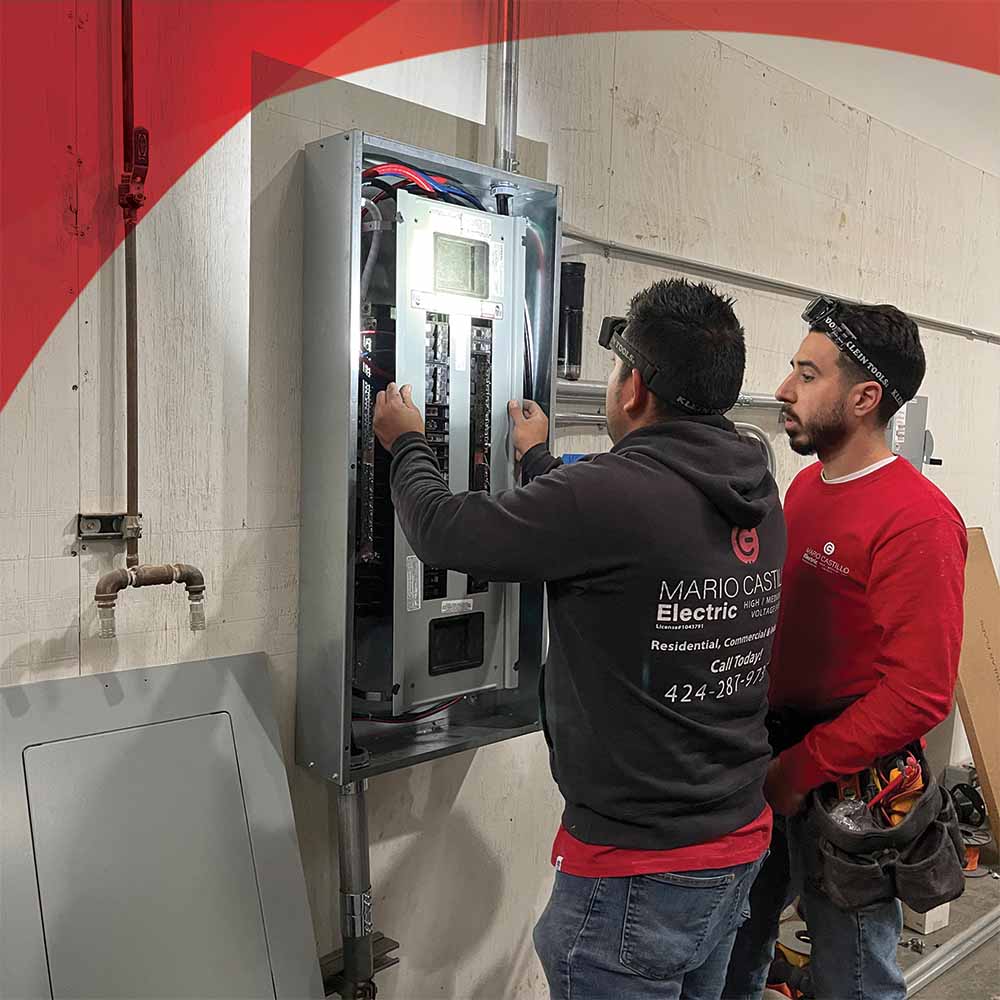
Electrical panels are the heart of your building's electrical distribution system. Over time, breakers can wear out, connections can loosen, and panels may begin showing signs of overheating or corrosion.
During an inspection, check for:
- Signs of rust, moisture, or corrosion
- Burn marks or discoloration
- Frequently tripped breakers
- Loose panel covers or damaged labels
- Unusual buzzing or humming sounds
If your business has expanded or added new equipment since the panel was installed, it may also be time to evaluate whether the system is still properly sized for your electrical demand.
Electrical wiring naturally expands and contracts as it heats and cools, which can cause connections to loosen over time. Damaged insulation, exposed wiring, or deteriorating connections can create safety hazards and increase the risk of equipment failure.
A professional inspection should include checking for:
- Loose electrical connections
- Frayed or damaged wiring
- Signs of overheating
- Water intrusion near electrical components
- Proper cable support and organization
Identifying these issues early helps prevent more serious electrical problems and reduces the likelihood of unexpected outages.
Emergency lighting and illuminated exit signs are critical during power outages and emergency evacuations. These systems should be tested regularly to verify that backup batteries function properly and that fixtures provide adequate illumination when normal power is lost.
Routine testing should confirm:
- Exit signs remain fully illuminated
- Emergency lights activate during power loss
- Backup batteries hold their charge
- Damaged fixtures are repaired or replaced promptly
Keeping these systems operational not only improves safety but also helps businesses meet applicable building and fire code requirements.
Ground Fault Circuit Interrupters (GFCIs) and Arc Fault Circuit Interrupters (AFCIs) are designed to help protect people and property from electrical hazards. While their use varies depending on the type of commercial facility and applicable electrical codes, they should be tested periodically to ensure they're operating correctly.
During maintenance, a commercial electrician should verify:
- GFCI devices trip and reset properly
- AFCI protection is functioning where installed
- Devices show no signs of physical damage
- Replacement is recommended for units that fail testing
Routine testing helps ensure these important safety devices are ready to respond when needed.
As businesses grow, so do their electrical demands. New equipment, expanded office space, EV chargers, HVAC upgrades, and additional technology can place more strain on your electrical system than it was originally designed to handle.
Regular electrical load evaluations help determine whether your current system can safely support your operations without overloading circuits or electrical panels.
Warning signs that may indicate your electrical load should be assessed include:
- Breakers tripping more frequently
- Lights dimming when equipment starts
- Overloaded power strips or extension cords
- New machinery or high-powered equipment being added
- Plans to renovate or expand your facility
If your business has experienced significant growth, added new equipment, or expanded its operations, a professional electrical load calculation can help identify capacity issues before they result in overloaded circuits or costly downtime.
In commercial and industrial environments, electrical equipment operates under constant demand. Loose connections, vibration, heat, and normal wear can gradually affect motors, disconnects, and electrical components.
Routine inspections should include checking:
- Motor connections
- Disconnect switches
- Control panels
- Equipment wiring
- Signs of excessive vibration or wear
Preventive maintenance helps reduce unexpected equipment failures while extending the service life of critical machinery.
Power surges don't only occur during lightning storms. Utility switching, large equipment cycling on and off, and internal electrical events can also create voltage spikes that damage sensitive electronics.
If your building has surge protection devices installed, they should be inspected periodically to ensure they continue providing protection. Older or damaged surge protection equipment may no longer function as intended and should be replaced when necessary.
Excessive heat is often one of the earliest indicators of developing electrical problems. Loose connections, overloaded circuits, and failing components can all generate heat long before they fail completely.
Professional maintenance may include infrared thermographic inspections to identify hot spots that aren't visible during a standard visual inspection. Detecting overheating components early allows repairs to be made before they cause equipment damage or unplanned outages.
If your facility relies on backup generators or uninterruptible power supply (UPS) systems, these should be included in your regular maintenance schedule. Backup power equipment is only effective if it operates properly during an emergency.
Routine inspections should verify:
- Generator startup and operation
- Battery condition
- Fuel system readiness (where applicable)
- UPS battery health
- Automatic transfer switch performance
Testing these systems regularly helps ensure your business can continue operating during unexpected power interruptions.
Recommended Electrical Maintenance Schedule
A consistent maintenance schedule helps businesses catch developing issues before they become expensive repairs or cause unexpected downtime. While every facility has different equipment and operating demands, the table below provides a good starting point for planning routine inspections.
| Frequency | Recommended Tasks | Primary Goal |
| Monthly | Visual inspections, check panels, inspect lighting | Identify obvious issues early |
| Quarterly | Test GFCIs, emergency lighting, surge protection | Verify safety systems |
| Annually | Comprehensive electrical inspection, load evaluation, thermal imaging | Prevent major failures |
| As Needed | Repairs, upgrades, troubleshooting after equipment changes | Maintain system reliability |
The right schedule depends on factors such as the age of your building, the type of equipment you operate, and how heavily your electrical system is used. Facilities with manufacturing equipment, large HVAC systems, or critical operations may require more frequent inspections than a standard office building.
Common Warning Signs Your Business Needs Electrical Maintenance Sooner
Even with a preventive maintenance plan in place, certain warning signs shouldn't wait until the next scheduled inspection. Addressing these issues promptly can help prevent equipment damage, safety hazards, and costly interruptions to your business.
Watch for signs such as:
- Frequent circuit breaker trips
- Flickering or dimming lights
- Burning odors near outlets or electrical panels
- Warm or discolored outlets and switches
- Buzzing or humming sounds from electrical equipment
- Unexpected equipment shutdowns
- Extension cords being used as permanent power sources
- Rising energy bills without a clear explanation
If you notice any of these issues, it's best to have them evaluated by a qualified commercial electrician as soon as possible. Early intervention often results in simpler, less expensive repairs and helps keep your business operating safely.
Why Businesses Choose Mario Castillo Electric for Electrical Maintenance
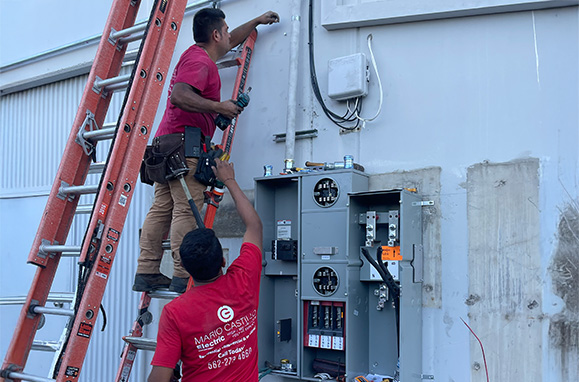
Preventive maintenance is most effective when it's's performed by experienced professionals who understand the demands of commercial electrical systems. Mario Castillo Electric provides comprehensive commercial electrical maintenance services designed to help businesses reduce downtime, improve safety, and keep their electrical infrastructure operating at its best.
Whether your facility needs routine inspections, electrical troubleshooting, panel evaluations, load calculations, or system upgrades, Mario Castillo Electric works with you to identify potential issues before they become major problems. Their experienced electricians service a wide range of commercial properties throughout Southern California, delivering reliable solutions tailored to each building's unique electrical needs.
By taking a proactive approach to maintenance, businesses can extend the life of their electrical systems, improve operational reliability, and minimize the risk of unexpected disruptions.
Stay Ahead of Electrical Problems Before They Become Costly
An effective electrical maintenance checklist for businesses is more than just a list of inspections—it's a proactive strategy for protecting your employees, equipment, and day-to-day operations. Regular maintenance helps identify small issues before they turn into major repairs, reduces the likelihood of unexpected downtime, and keeps your electrical system performing safely and efficiently.
Whether you're managing a single commercial property or multiple facilities, investing in routine commercial electrical maintenance is one of the smartest ways to protect your business for the long term. Working with an experienced commercial electrician ensures inspections are performed thoroughly, potential risks are addressed promptly, and your electrical system remains ready to support your operations for years to come.
Commercial Electrical Maintenance Frequently Asked Questions
The ideal maintenance schedule depends on your building, equipment, and electrical usage. Most businesses benefit from monthly visual inspections, quarterly testing of key safety systems, and a comprehensive electrical inspection at least once a year. Facilities with heavy electrical loads or critical operations may require more frequent maintenance.
Commercial electrical maintenance typically includes inspecting electrical panels, circuit breakers, wiring, electrical connections, emergency lighting, surge protection devices, backup power systems, and overall electrical equipment. It may also include electrical testing, thermal imaging, load evaluations, and preventive repairs.
Yes. Routine electrical maintenance helps identify worn or damaged components before they fail unexpectedly. Addressing small issues early reduces the risk of equipment breakdowns, power interruptions, and emergency repairs that can disrupt business operations.
Commercial electrical maintenance should always be performed by a licensed commercial electrician. Many inspections require specialized testing equipment and expertise to safely evaluate electrical systems and ensure they comply with current electrical codes and safety standards.
While OSHA and NFPA establish workplace electrical safety requirements and maintenance recommendations, the specific maintenance program for a facility depends on its equipment, operations, and applicable regulations. Following a documented preventive maintenance program is considered a best practice for maintaining a safe and reliable electrical system.
Neglecting routine electrical maintenance can lead to equipment failures, increased energy consumption, unexpected downtime, electrical hazards, and more expensive repairs. Over time, small issues such as loose connections or overloaded circuits can develop into major problems that affect both safety and business continuity.
Sign Up For Blog Updates
Join the email list to receive updates and information.
"*" indicates required fields