
Electrical Load Calculations for Businesses: Why They Matter Before You Upgrade
Aug 15, 2026 | Commercial
Adding new equipment, upgrading HVAC systems, or expanding your workspace can put serious strain on your electrical system. Without understanding your building’s power demands, your business could face overloaded circuits, unexpected downtime, safety hazards, or expensive electrical upgrades later on.
That’s where electrical load calculations for businesses come in.
A commercial electrical load calculation helps determine how much power your building currently uses and whether your system can safely handle additional demand. It gives business owners a clearer picture of their electrical capacity before installing new equipment, remodeling a space, or planning future growth.
At Mario Castillo Electric, we help businesses evaluate their electrical systems so they can make smart, safe, and cost-effective decisions.

Why Businesses Need Electrical Load Calculations
Businesses rely on stable power every day. Even small electrical issues can interrupt operations, damage equipment, and create safety concerns for employees and customers.
A professional commercial electrical load calculation helps:
- Prevent overloaded circuits
- Reduce the risk of electrical fires
- Support future business growth
- Identify panel capacity limitations
- Improve overall electrical efficiency
- Ensure compliance with electrical codes
Whether you operate an office, retail space, restaurant, warehouse, or industrial facility, understanding your building’s electrical demand is an important part of long-term planning.
Commercial vs. Residential Electrical Demand
| Residential | Commercial |
| Smaller appliances | Heavy equipment |
| Lower power usage | Higher electrical demand |
| Fewer circuits | Complex electrical systems |
| Limited expansion | Ongoing growth needs |
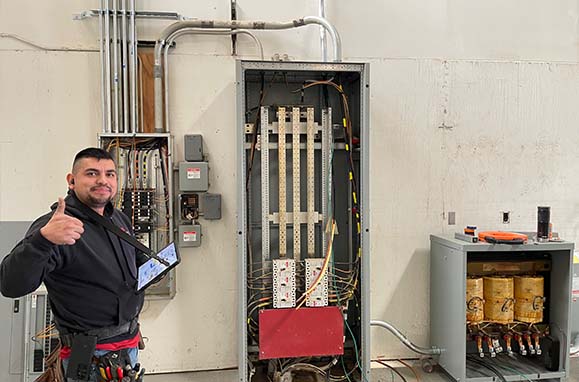
What Is an Electrical Load Calculation?
An electrical load calculation measures how much electricity a building or business needs to operate safely and efficiently. Electricians use these calculations to determine whether your current electrical system can handle your power demands or if upgrades may be necessary.
For commercial properties, this process goes far beyond simply checking the breaker panel. Businesses often operate multiple systems at the same time, including lighting, HVAC equipment, computers, machinery, refrigeration units, and specialty equipment. All of these components place demand on the electrical system.
A proper electrical load calculation for commercial buildings helps identify:
- Total connected electrical load
- Peak power demand
- Available panel capacity
- Circuit distribution needs
- Potential overload risks
- Future expansion capabilities
This information helps businesses avoid performance issues while planning for growth more confidently.

What Electricians Evaluate During a Load Calculation
A licensed commercial electrician reviews several parts of your electrical system during the process.
Common factors include:
- Main electrical panel capacity
- Existing circuit loads
- HVAC power requirements
- Interior and exterior lighting
- Office equipment and computers
- Industrial or kitchen equipment
- Large appliances or machinery
- Future electrical expansion plans
Because every business operates differently, electrical demand can vary significantly from one building to another.
Understanding Connected Load vs. Demand Load
Many business owners assume that every piece of equipment runs at full power all day. In reality, electrical systems are designed around actual usage patterns.
| Term | Meaning |
| Connected Load | Total possible power usage |
| Demand Load | Actual power used at one time |
| Peak Demand | Highest usage period |
| Load Capacity | Maximum safe electrical limit |
This distinction is important because it allows electricians to design safer and more efficient commercial electrical systems without oversizing or overloading the infrastructure.
Why Accurate Calculations Matter
Incorrect electrical load estimates can lead to serious problems over time. If your business adds equipment without evaluating electrical capacity first, the system may struggle to keep up with demand.
That can result in:
- Tripped breakers
- Flickering lights
- Equipment damage
- Overheated wiring
- Reduced system efficiency
- Unexpected downtime
A professional commercial power load calculation helps ensure your electrical system is prepared for both your current operations and future growth.
Why Electrical Load Calculations Matter for Businesses
Many businesses do not think about their electrical capacity until problems start appearing. By that point, overloaded systems may already be affecting equipment performance, productivity, and safety.
A professional electrical load calculation for businesses helps identify potential issues before they become costly disruptions.
Commercial buildings often rely on multiple high-demand systems operating at the same time. HVAC units, lighting, computers, refrigeration systems, and machinery can quickly push an electrical system beyond its intended capacity.
When that happens, businesses may experience:
- Frequent breaker trips
- Dimming or flickering lights
- Overheated panels
- Power interruptions
- Equipment malfunctions
Load calculations help electricians determine whether your current electrical panel and circuits can safely support your daily operations.
As businesses grow, their electrical needs usually grow with them.
Adding new equipment, expanding office space, upgrading technology, or remodeling a commercial property can all increase electrical demand. Without proper planning, your existing system may not have enough capacity to support those upgrades.
A commercial electrical load calculation helps businesses plan ahead by identifying:
- Available electrical capacity
- Upgrade requirements
- Future expansion opportunities
- Potential infrastructure limitations
This makes it easier to scale operations without unexpected electrical problems later.
Electrical overloads are more than just an inconvenience. They can create serious safety hazards for employees, customers, and property owners.
Overloaded systems may increase the risk of:
- Electrical fires
- Damaged wiring
- Short circuits
- Equipment overheating
- Electrical shock hazards
A licensed commercial electrician can evaluate whether your system meets current safety standards and National Electrical Code (NEC) requirements.
Unexpected electrical failures can disrupt daily business operations and lead to expensive downtime. Even temporary outages can affect productivity, customer experience, and revenue.
Electrical load assessments help businesses avoid surprise issues by identifying weaknesses before failures occur.
Early evaluations may help prevent:
- Emergency electrical repairs
- Equipment replacement costs
- Operational interruptions
- Productivity losses
- Premature electrical wear
Preventive planning is usually far less expensive than dealing with emergency electrical failures.
Prepare for New Equipment Installations
Before installing large commercial equipment, businesses should verify that their electrical system can safely handle the additional load.
This commonly includes:
- HVAC upgrades
- Commercial kitchen equipment
- Manufacturing machinery
- EV charging stations
- Refrigeration systems
- Server rooms and IT equipment
Without proper calculations, adding new equipment can overload circuits and reduce overall system reliability.
A professional electrician can determine whether your existing infrastructure supports the upgrade or if an electrical service upgrade for business operations is recommended.
Common Warning Signs Your Business May Be Reaching Capacity
- Breakers trip frequently
- Lights dim during equipment startup
- Outlets or panels feel warm
- Extension cords are heavily used
- Equipment loses power unexpectedly
- Your business recently expanded operations
- The building still uses an older electrical panel
These signs often indicate that your system may need a professional electrical load assessment.
What Factors Affect Commercial Electrical Load?
Every commercial building uses electricity differently. A small office will have very different power demands than a restaurant, warehouse, retail store, or manufacturing facility.
That’s why there is no one-size-fits-all approach to a commercial electrical load calculation. Electricians evaluate several factors to determine how much power a business needs now and how much capacity it may need in the future.
Heating and cooling equipment is often one of the largest contributors to commercial power usage.
Large HVAC systems require significant electrical demand, especially during peak operating seasons. Older systems may also operate less efficiently, placing even more strain on the electrical infrastructure.
Businesses upgrading rooftop units, adding climate control systems, or expanding square footage should have their electrical capacity reviewed beforehand.
Commercial lighting can add substantial electrical demand depending on the size of the building and the type of fixtures installed.
Power usage may increase with:
- Large office spaces
- Warehouse lighting
- Exterior security lighting
- Parking lot lighting
- Specialty retail lighting
- High-output industrial fixtures
Many businesses now upgrade to LED lighting systems to improve energy efficiency and reduce overall electrical load.
Industrial equipment, commercial appliances, and specialized machinery can dramatically affect a building’s electrical demand.
Examples include:
- Manufacturing equipment
- Commercial kitchen appliances
- Refrigeration systems
- Compressors
- Elevators
- Welding equipment
- Printing machinery
Some equipment also creates high startup demand, which electricians must factor into the overall electrical demand load calculation.
Modern businesses depend heavily on technology infrastructure. Even standard office environments can consume large amounts of electricity when multiple systems operate simultaneously.
Common electrical loads include:
- Desktop computers
- Servers and networking equipment
- Data centers
- Security systems
- Printers and copiers
- Conference room technology
As businesses add more connected devices, electrical demand often increases steadily over time.
One of the most important parts of a commercial electrical load assessment is planning for future growth.
Businesses that expect to expand operations should consider future electrical needs before reaching system capacity limits.
This may include:
- Adding employees
- Expanding office space
- Installing new machinery
- Upgrading HVAC systems
- Adding EV chargers
- Increasing production capacity
Planning ahead can help businesses avoid major electrical modifications later.
Typical Commercial Power Demand by Equipment Type
| Equipment Type | Power Demand |
| HVAC System | High |
| LED Lighting | Moderate |
| Office Computers | Moderate |
| Industrial Machinery | Very High |
Why Accurate Load Planning Matters
Electrical systems that are pushed beyond capacity often become less reliable and more expensive to maintain.
Proper business electrical capacity planning helps ensure:
- Safer daily operations
- Better energy efficiency
- Improved equipment performance
- Reduced risk of outages
- Easier future upgrades
- Longer system lifespan
A licensed commercial electrician can evaluate your building’s current usage patterns and recommend solutions that support both immediate needs and long-term growth.
Why Professional Evaluations Matter
Commercial electrical systems are complex. Even small miscalculations can create long-term performance and safety issues.
Working with a licensed electrician helps ensure your electrical load calculation for commercial buildings is accurate, code-compliant, and designed around your business’s real operating needs.
At Mario Castillo Electric, we help businesses evaluate their electrical systems so they can plan upgrades confidently and avoid unnecessary electrical problems in the future.
Signs Your Business May Need an Electrical Load Assessment
Many commercial electrical problems start with small warning signs that are easy to overlook. As power demands increase, your electrical system may begin struggling to keep up with daily operations.
Scheduling a professional electrical load calculation for businesses can help identify these issues before they lead to equipment damage, downtime, or safety hazards.
Circuit breakers are designed to protect your electrical system from overloads. If breakers trip regularly, your building may be drawing more power than the system can safely handle.
This is especially common in businesses that have added:
- New equipment
- Additional workstations
- HVAC upgrades
- Commercial appliances
- Production machinery
Frequent breaker trips are often one of the clearest signs that your electrical capacity should be evaluated.
Lights that flicker or dim when equipment turns on may indicate that certain circuits are overloaded or struggling to distribute power properly.
This can happen when:
- HVAC systems start up
- Large machinery cycles on
- Refrigeration systems activate
- Multiple devices run simultaneously
While occasional flickering may seem minor, repeated voltage fluctuations can place unnecessary strain on electrical components over time.
Electrical components should never feel excessively hot during normal operation.
Warm outlets, buzzing panels, or unusual electrical odors may signal:
- Overloaded circuits
- Loose wiring connections
- Excessive electrical demand
- Aging electrical infrastructure
These situations should be inspected quickly to reduce potential fire risks and prevent larger electrical failures.
Many older commercial buildings were designed for lower electrical demand than modern businesses require today.
If your electrical panel is already full or nearly full, adding new circuits or equipment may become difficult without upgrades.
Businesses often run into this issue during:
- Renovations
- Tenant improvements
- Equipment upgrades
- Office expansions
- Technology upgrades
A commercial electrical load calculation helps determine whether your current panel has enough remaining capacity.
Before installing major electrical equipment, businesses should verify that their system can support the additional demand safely.
Common upgrades that may require a load assessment include:
- EV charging stations
- Commercial HVAC systems
- Kitchen equipment
- Manufacturing machinery
- Large refrigeration units
- Server rooms and data equipment
Skipping this step can increase the risk of overloaded circuits and unexpected operational issues.
Older commercial properties may still operate with outdated electrical infrastructure that was never designed for modern power usage.
As businesses add computers, technology systems, and high-demand equipment, older electrical systems can quickly become overwhelmed.
An electrical load assessment can help determine:
- Current system limitations
- Safety concerns
- Upgrade opportunities
- Expansion capabilities
This is particularly important for businesses planning long-term growth.
Common Warning Signs at a Glance
| Warning Sign | Possible Cause |
| Tripped breakers | Overloaded circuits |
| Flickering lights | Voltage fluctuations |
| Warm panels | Excessive electrical demand |
| Full breaker panel | Limited system capacity |
Don’t Wait for Electrical Problems to Escalate
Electrical issues rarely improve on their own. Small performance problems can eventually lead to equipment failure, costly downtime, or safety hazards if the underlying electrical demand is not addressed.
A professional commercial electrical load calculation helps businesses better understand their electrical system and make informed decisions before major problems occur.
When to Schedule a Commercial Electrical Load Calculation
Businesses often wait until electrical problems appear before evaluating their power usage. In many cases, scheduling a load calculation earlier can help prevent costly upgrades, downtime, and safety concerns.
A professional electrical load calculation for commercial buildings is especially important before making major operational or facility changes.
Renovations and expansions usually increase electrical demand. New lighting, workstations, HVAC systems, and equipment can place additional strain on an existing electrical system.
Before starting a project, businesses should confirm that the current electrical infrastructure can support the planned upgrades safely.
This is especially important for:
- Office expansions
- Retail build-outs
- Restaurant remodels
- Warehouse conversions
- Tenant improvement projects
Planning ahead helps reduce delays and prevents expensive electrical changes later in the project.
Large commercial equipment often requires dedicated circuits or increased electrical capacity.
Businesses should schedule a commercial electrical load calculation before adding:
- Manufacturing equipment
- Commercial kitchen appliances
- Refrigeration systems
- Industrial machinery
- Data center equipment
- EV charging stations
This helps ensure the system can safely support the added demand without overloading circuits or reducing overall reliability.
As companies grow, electrical demand usually grows with them.
Adding employees, expanding operating hours, increasing production, or upgrading technology can gradually push a system closer to capacity limits.
A load assessment helps businesses understand:
- Available electrical capacity
- Future upgrade needs
- Infrastructure limitations
- Long-term scalability options
This allows business owners to plan proactively instead of reacting to unexpected electrical problems.
Commercial HVAC systems consume a significant amount of electricity, especially in larger buildings.
If your business is replacing rooftop units, adding climate control zones, or upgrading to larger systems, your electrical infrastructure should be evaluated first.
An electrician can determine whether:
- Existing circuits can support the new equipment
- Panel upgrades are needed
- Additional electrical service is required
- Load balancing adjustments should be made
This helps prevent performance issues once the new system is installed.
Older electrical panels may not provide enough capacity for modern commercial operations.
If your building experiences:
- Frequent breaker trips
- Limited panel space
- Power interruptions
- Expanding electrical demand
…it may be time for an electrical service upgrade for business operations.
A load calculation helps determine the correct panel size and service capacity for both current and future needs.
Electrical infrastructure is often overlooked during commercial property evaluations.
Before purchasing or leasing a building, businesses should understand whether the electrical system can support their operational requirements.
This is particularly important for businesses with:
- Specialized equipment
- High power demand
- Manufacturing operations
- Commercial refrigeration
- Technology-heavy operations
A professional evaluation can help avoid unexpected upgrade costs after moving into the property.
Smart Planning Helps Businesses Avoid Costly Surprises
Scheduling an electrical load calculation at the right time can help businesses:
- Avoid overloaded systems
- Improve electrical safety
- Support future expansion
- Reduce downtime risks
- Plan upgrades more efficiently
- Extend equipment lifespan
At Mario Castillo Electric, we help businesses evaluate their electrical capacity so they can make confident decisions about upgrades, expansions, and long-term electrical planning.
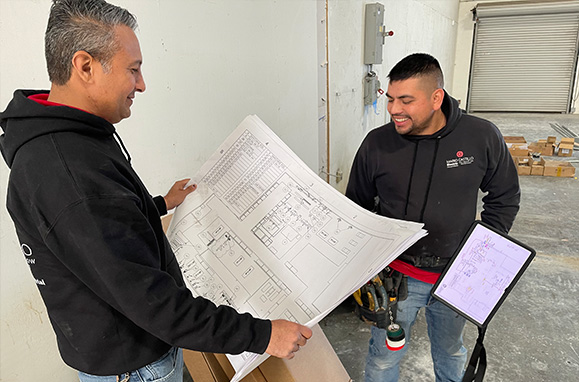
Why Work With a Licensed Commercial Electrician
Commercial electrical systems are far more complex than residential systems. Businesses often rely on higher electrical demand, specialized equipment, multiple circuits, and strict safety requirements that require professional planning and installation.
That’s why electrical load calculations should always be handled by a licensed commercial electrician.
Accurate Load Calculations Matter
An inaccurate commercial electrical load calculation can create serious problems for a business. Undersized systems may struggle to handle demand, while oversized systems can lead to unnecessary upgrade costs.
A licensed electrician understands how to properly evaluate:
- Current electrical usage
- Peak demand loads
- Equipment requirements
- Circuit distribution
- Panel capacity
- Future expansion needs
This helps businesses build safer and more efficient electrical systems that support long-term operations.
Code Compliance Protects Your Business
Commercial electrical work must comply with National Electrical Code (NEC) standards and local regulations.
Licensed electricians stay up to date with current code requirements related to:
- Electrical service sizing
- Grounding systems
- Breaker protection
- Wire sizing
- Equipment installation
- Safety clearances
Code-compliant electrical work helps reduce liability risks while improving safety for employees, customers, and property owners.
Better Planning for Future Growth
Many businesses eventually outgrow their original electrical infrastructure. Planning ahead can help avoid expensive emergency upgrades later.
A licensed commercial electrician can help businesses prepare for:
- Additional equipment
- Tenant improvements
- Facility expansions
- Technology upgrades
- Increased production demands
- EV charging installations
Instead of only solving today’s electrical needs, professional planning helps create a system that can adapt as the business grows.
Improved Safety and Reliability
Overloaded electrical systems can lead to serious operational and safety issues.
Professional electrical evaluations help reduce the risk of:
- Electrical fires
- Power interruptions
- Equipment damage
- Overheated circuits
- Unexpected downtime
- System failures
Businesses depend on reliable power every day. Proper electrical planning helps keep operations running safely and efficiently.
Commercial Electrical Experience Makes a Difference
Commercial buildings often contain electrical systems that require specialized knowledge and experience.
This may include:
- Three-phase power systems
- High-capacity electrical panels
- Industrial machinery
- Backup power systems
- Complex circuit layouts
- Large HVAC equipment
Working with an experienced commercial electrician helps ensure your system is evaluated correctly and designed around your building’s actual operational needs.

Schedule a Commercial Electrical Evaluation with Mario Castillo
Understanding your building’s electrical demand is an important step in protecting your business, planning future growth, and avoiding costly electrical problems.
A professional electrical load calculation for businesses helps determine whether your current system can safely support your operations today and in the future.
At Mario Castillo Electric, we help businesses evaluate electrical capacity, identify potential issues, and recommend solutions that improve safety, efficiency, and long-term reliability.
Whether you’re planning a remodel, adding equipment, upgrading electrical service, or expanding operations, our team can help you make informed decisions about your commercial electrical system.
FAQ: Electrical Load Calculations for Businesses
A commercial electrical load calculation determines how much electricity a business or commercial building requires to operate safely and efficiently. Electricians evaluate equipment, lighting, HVAC systems, machinery, and overall power demand to determine whether the existing electrical system has enough capacity.
Electrical load calculations help businesses avoid overloaded circuits, electrical failures, and safety hazards. They also help plan for future growth, equipment upgrades, and code compliance while improving overall electrical reliability.
Businesses should schedule a load calculation before:
- Remodeling or expanding
- Installing new equipment
- Upgrading HVAC systems
- Adding EV chargers
- Upgrading electrical panels
- Leasing or purchasing a commercial property
It’s also a good idea if your building experiences frequent breaker trips or power issues.
Yes. Adding machinery, HVAC equipment, refrigeration systems, or commercial appliances can increase electrical demand beyond what the existing system was designed to handle. Without a professional evaluation, overloaded systems can lead to breaker trips, overheating, and equipment damage.
Electricians review the building’s electrical infrastructure, identify connected equipment, measure power demand, evaluate peak usage, and verify compliance with National Electrical Code (NEC) requirements. This process helps determine whether upgrades or additional electrical capacity are needed.
Common warning signs include:
- Frequent breaker trips
- Flickering lights
- Warm electrical panels or outlets
- Limited panel space
- Power interruptions
- Difficulty supporting new equipment
These issues often indicate that the building may be approaching its electrical capacity limits.
The timeline depends on the size and complexity of the building. Smaller commercial properties may take only a few hours, while larger facilities with complex electrical systems may require more extensive evaluations.
Absolutely. A professional electrical load calculation helps businesses understand their available electrical capacity and prepare for future upgrades, equipment additions, or facility expansions without overloading the system.