
What Electrical Inspectors Look For During Commercial Inspections
Jul 06, 2026 | Commercial, Troubleshooting
Commercial electrical inspections done with Mario Castillo Electric are much more than checking a few breakers and signing off on a report. The electrical contractors at Mario Castillo Electric look for safety risks, code violations, hidden electrical issues, and early warning signs that could lead to outages, equipment damage, or fire hazards.
For commercial properties, HOAs, retail centers, warehouses, and multi-tenant buildings, even a small electrical issue can quickly become an expensive problem. A failed emergency light, overheating panel, or improperly secured wire may not seem urgent at first, but those are exactly the kinds of issues inspectors are trained to identify before they turn into major repairs or safety concerns.
Professional inspections with Mario Castillo Electric will focus on:
- Electrical panel condition
- Emergency and egress lighting
- Interior and exterior lighting functionality
- Electrical room safety
- Signs of overheating or moisture
- Breaker and grounding performance
- Code compliance issues
- Preventative maintenance concerns
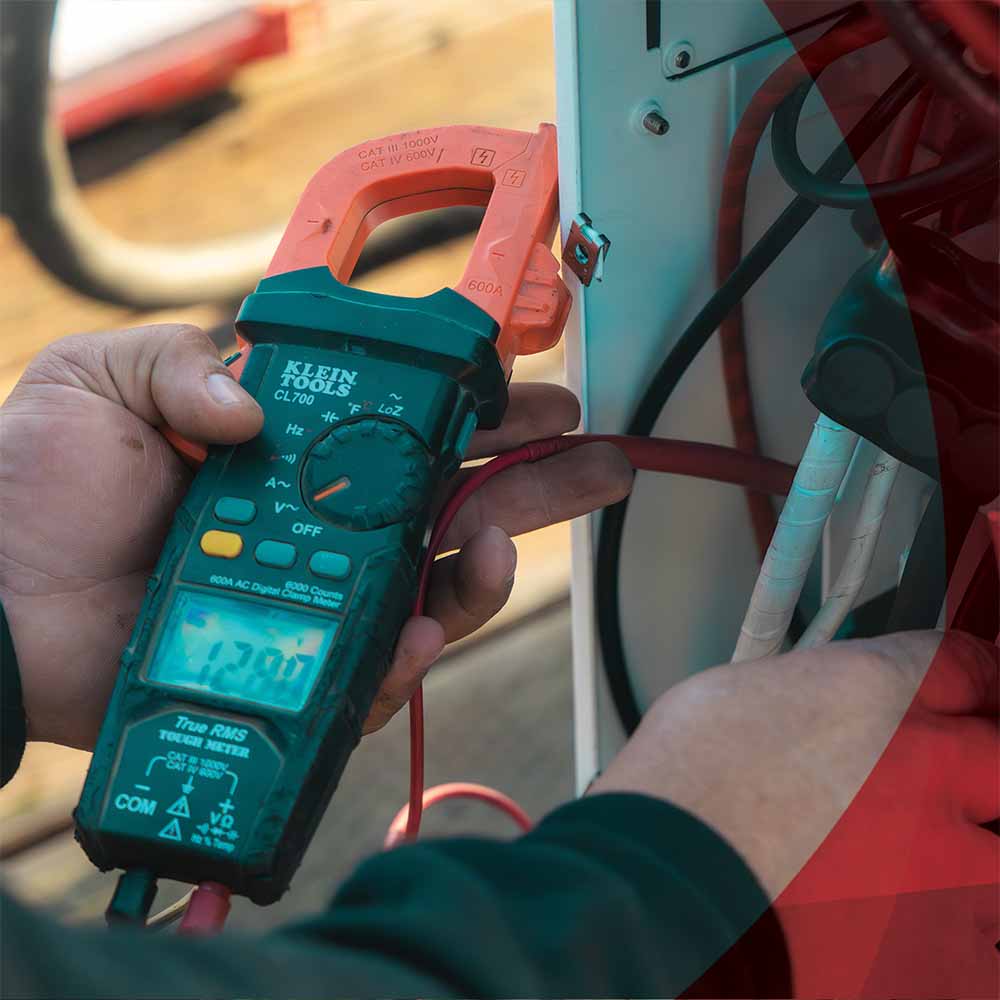
Many of our inspections also include infrared scanning, lighting reviews, grounding checks, and visual evaluations of electrical equipment to help identify problems that may not be obvious during day-to-day operations.
Why This Matters for Commercial Properties
Electrical systems work hard every day behind the scenes. Over time, wear and tear, moisture, overloaded circuits, aging components, and deferred maintenance can create hidden hazards throughout a property.
That’s why inspectors pay close attention to details like:
| Inspectors Look For | Why It Matters |
| Overheating panels | Reduces fire risk |
| Failed emergency lighting | Improves occupant safety |
| Water near electrical equipment | Prevents shock hazards |
| Improper panel access | Supports code compliance |
In many cases, inspectors are not just looking for current problems. They are also identifying conditions that could become future liabilities if left unaddressed.
Small electrical issues rarely stay small for long. Early detection is often the difference between a simple repair and a costly electrical failure.
Throughout this guide, we’ll break down what electrical inspectors actually look for during commercial inspections, what commonly causes failed inspections, and how property owners can stay ahead of expensive problems before they escalate.
Why Commercial Electrical Inspections Matter
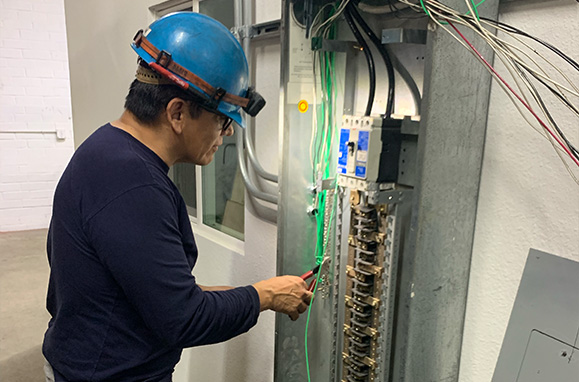
Most commercial electrical problems do not happen overnight. They develop slowly through years of wear, environmental exposure, increased electrical demand, and overlooked maintenance issues. By the time a breaker fails or a panel overheats, the warning signs were often already there.
That is why commercial electrical inspections are so important. Our electrical consultants are trained to identify risks early before they disrupt business operations, create safety hazards, or lead to expensive emergency repairs.
For commercial properties and HOAs, inspections through Mario Castillo Electric will help protect:
- Tenants and occupants
- Employees and customers
- Building infrastructure
- Sensitive equipment
- Property value
- Business continuity
Routine inspections and preventative maintenance with Mario Castillo Electric helps property owners stay compliant with electrical safety standards and reduce liability exposure associated with unsafe electrical systems.
Inspections Help Prevent Unexpected Electrical Failures
Electrical outages can impact everything from lighting and HVAC systems to security equipment, elevators, refrigeration systems, and emergency exits.
During inspections, electricians look for warning signs that often point to future failures, including:
- Loose or deteriorating wiring
- Overloaded circuits
- Failing breakers
- Heat buildup inside panels
- Damaged lighting systems
- Moisture intrusion near electrical equipment
Many commercial inspections also include infrared scanning of accessible panels and switchgear to help detect overheating components before they fail.
Safety and Code Compliance Are Major Priorities in Our Assessments
One of the biggest goals of our commercial electrical inspections is identifying safety hazards that may violate electrical code requirements or put occupants at risk.
Mario Castillo Electric's inspection check-list commonly evaluates:
- Proper panel clearance
- Emergency and egress lighting operation
- Electrical room accessibility
- Grounding continuity
- Exposed openings in panels
- Water exposure risks
- Electrical equipment labeling
The maintenance checklists used by Mario Castillo Electric specifically include verifying that electrical rooms and access conditions are code compliant.
Without Mario Castillo Electric's Preventative Maintenance Inspections, Small Problems Can Become Expensive Repairs
Many property owners only discover electrical issues after something stops working. Unfortunately, by that point, the repair is often larger and more expensive than it needed to be.
For example:
| Minor Issue | Potential Outcome |
| Loose connection | Overheating or fire risk |
| Failed exterior lighting | Security concerns |
| Moisture near panels | Equipment damage |
| Unlabeled breakers | Emergency delays |
Regular inspections help catch these issues early while repairs are still manageable.
Preventative Inspections with Mario Castillo Electric Will Support Long-Term Property Maintenance
Commercial properties rely on consistent electrical performance every day. Preventative inspections give property owners a clearer understanding of system condition, recurring issues, and areas that may need upgrades in the future.
Some inspections even include:
- Priority service recommendations
- Fixture upgrade identification
- Trend comparisons of recurring issues
- Electrical maintenance observations
- Lighting improvement planning
These insights from our electrical contractors will help property owners make smarter maintenance decisions instead of reacting to emergencies after they happen.
What Inspectors Check First: Electrical Panels & Service Equipment
One of the first places inspectors usually evaluate during a commercial electrical inspection is the electrical panel and main service equipment. These components control and distribute power throughout the property, so even small problems inside or around a panel can create serious safety risks.
Inspectors are not just looking for obvious damage. They are also checking for warning signs that may indicate overheating, improper installation, moisture exposure, or long-term maintenance neglect.
According to Mario Castillo Electric’s inspection checklists, panel and service equipment evaluations include both visual inspections and functional safety checks.
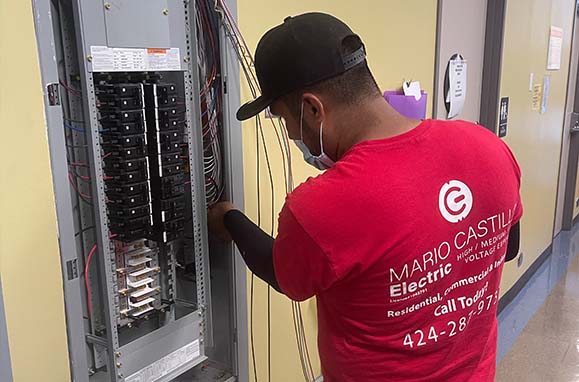
One of the most common issues inspectors flag is missing or inaccurate breaker labeling.
Every breaker should clearly identify what area or equipment it controls. In an emergency, maintenance staff need to shut off power quickly without guessing which breaker operates which circuit.
Inspectors commonly check for:
- Missing panel schedules
- Handwritten or faded labels
- Incorrect breaker descriptions
- Unidentified circuits
The inspection checklists specifically verify whether all breakers are properly labeled.
Electrical panels should remain clean, dry, and free from environmental hazards.
Inspectors typically check for:
- Excessive dust or debris buildup
- Signs of corrosion
- Water intrusion
- Condensation near electrical equipment
- Rust or staining
- Burn marks or discoloration
- Burning or “ozone” odors
Even something as simple as moisture near a panel can increase the risk of electrical shorts, equipment damage, or fire hazards.
Mario Castillo Electric’s inspection process specifically includes checking for water exposure risks and overheating odors around electrical equipment.
Commercial electrical panels require adequate working space for safety and code compliance.
Inspectors commonly verify:
- At least 36 inches of clearance around panels
- Safe access to equipment
- No storage blocking electrical rooms
- Proper lighting around service equipment
- Functional panel doors
Blocked or inaccessible panels can create serious problems during emergencies or maintenance situations.
| What Inspectors Check | Why It Matters |
| 36-inch panel clearance | Safe emergency access |
| Functional panel doors | Protects internal components |
| Proper room lighting | Safer maintenance work |
| Clear access pathways | Improves code compliance |
The commercial inspection checklists specifically include verifying 36-inch clearance requirements and proper electrical room conditions.
Inspectors also examine the condition of wiring entering the panel and the overall integrity of the enclosure itself.
Common red flags include:
- Loose wiring
- Unsecured conductors
- Missing punch-outs
- Open panel slots
- Damaged seals or gaskets
- Exposed openings in the panel
These conditions may seem minor, but they can allow moisture, debris, pests, or accidental contact with energized components.
Mario Castillo Electric’s inspection checklists specifically evaluate wiring security, seals, gaskets, and missing panel openings during inspections.
Infrared Scanning Helps Detect Hidden Electrical Problems
Some electrical problems cannot be seen with the naked eye. That is why more advanced commercial inspections may include infrared thermal scanning of accessible panels and switchgear.
Infrared inspections help identify:
- Overheating breakers
- Loose electrical connections
- Imbalanced loads
- Failing components
- Excessive heat buildup
These issues often develop long before equipment actually fails, making infrared scanning an important preventative maintenance tool.
Emergency & Egress Lighting Inspections
Emergency and egress lighting is one of the most important safety systems inspectors evaluate during a commercial electrical inspection. These lighting systems help occupants exit safely during power outages, fires, or emergency situations, which means even small failures can become major liability concerns.
Inspectors pay close attention to whether emergency lighting systems operate properly, provide adequate visibility, and remain compliant with safety requirements throughout the property.
Mario Castillo Electric’s inspection checklists specifically include reviews of emergency lighting operation, egress lighting functionality, and emergency lighting coverage.
Inspectors Verify Emergency Lighting Functionality
Emergency lighting is designed to activate automatically when normal power fails. During inspections, electricians often test whether fixtures respond correctly and provide enough illumination for safe movement through the building.
Inspectors commonly evaluate:
- Battery backup operation
- Fixture condition
- Light output
- Damaged or non-working units
- Coverage in hallways and exits
- Proper placement throughout common areas
A single failed emergency light can create visibility problems during an evacuation and may lead to inspection deficiencies.
Exit Signs and Egress Lighting Must Remain Visible
Egress lighting helps direct people safely toward exits during emergencies. Inspectors look for anything that could reduce visibility or create confusion during an evacuation.
Common inspection concerns include:
- Burned-out exit signs
- Dim or flickering fixtures
- Obstructed exit lighting
- Inconsistent lighting coverage
- Missing emergency fixtures
- Damaged wiring or housings
Properties with poor egress lighting may create safety risks for employees, tenants, customers, and visitors during emergencies.
The inspection checklists specifically include checks for emergency lighting operation and egress lighting functionality throughout the property.
Inspectors Also Review Lighting Coverage
Beyond simply turning lights on and off, inspectors often assess whether emergency lighting adequately covers important areas of the property.
This may include:
- Stairwells
- Hallways
- Electrical rooms
- Parking structures
- Exit pathways
- Common areas
More advanced inspections may also include visual emergency lighting coverage reviews to help identify dark spots or inconsistent illumination.
| Common Emergency Lighting Issues | Why Inspectors Flag Them |
| Burned-out exit signs | Poor evacuation visibility |
| Dead backup batteries | Lights may fail during outages |
| Dark hallways | Increased safety risk |
| Inconsistent lighting coverage | Possible code concerns |
Exterior Lighting Can Also Impact Safety
Inspectors do not only focus on indoor emergency systems. Exterior lighting around parking lots, walkways, entrances, and common areas also plays a major role in overall property safety.
Electrical inspections often include:
- Pole light condition reviews
- Exterior fixture functionality
- Photocell operation checks
- Time clock verification
- Parking lot lighting evaluations
Poor exterior lighting can increase liability risks, reduce visibility for occupants, and create security concerns after dark.
Mario Castillo Electric’s commercial inspection programs specifically include exterior lighting reviews and photocell verification as part of their maintenance inspections.
Electrical Rooms: What Makes an Inspector Concerned?
Electrical rooms are one of the biggest focus areas during commercial electrical inspections because they house critical equipment that powers the entire property. Even if the electrical system itself is functioning properly, unsafe room conditions can still create major safety concerns and code violations.
Inspectors are trained to look beyond the equipment itself. They also evaluate the overall condition, accessibility, cleanliness, and safety of the electrical room environment.
Mario Castillo Electric’s inspection checklists specifically include visual inspections of electrical rooms and access conditions to ensure they remain code compliant.
One of the most common issues inspectors encounter is blocked or restricted access to electrical equipment.
Electrical panels and service equipment must remain accessible at all times for:
- Emergency shutdowns
- Maintenance work
- Troubleshooting
- Fire department access
- Safety compliance
Inspectors typically verify:
- Clear walkways
- Proper working space around panels
- No storage in front of equipment
- Safe access into electrical rooms
Commercial properties sometimes use electrical rooms for storage, but boxes, supplies, furniture, or maintenance equipment placed too close to panels can quickly become a code issue.
The inspection checklists specifically require at least 36 inches of clearance around electrical panels.
Water and electricity are one of the most dangerous combinations inspectors look for.
Even minor moisture issues can lead to:
- Corrosion
- Electrical shorts
- Equipment failure
- Arc faults
- Shock hazards
- Fire risks
Inspectors often check for:
- Roof leaks
- Condensation
- Plumbing lines near equipment
- Water stains
- Damp floors
- Rust or corrosion inside the room
Mario Castillo Electric’s inspection process specifically includes checking whether electrical rooms are free of water or potential water sources.
Electrical equipment generates heat during normal operation. Without proper airflow and ventilation, heat buildup can shorten equipment lifespan and increase the risk of overheating.
Inspectors commonly look for:
- Poor ventilation
- Excessive heat
- Inadequate airflow
- Blocked vents
- Signs of overheating
Many inspection checklists also include checks for burning or “ozone” odors, which may indicate overheating electrical components or damaged wiring.
Electrical rooms should remain clean and properly maintained. Excessive dust, debris, or neglected conditions can interfere with equipment performance and increase safety risks over time.
Inspectors often check for:
- Excessive dust buildup
- Dirt and debris accumulation
- Damaged room lighting
- Unsafe housekeeping conditions
- Poor room organization
| Electrical Room Issue | Why It Concerns Inspectors |
| Water near equipment | Shock and fire risk |
| Blocked panel access | Emergency safety issue |
| Excessive dust buildup | Overheating concerns |
| Poor ventilation | Equipment stress |
Inspectors also evaluate whether electrical rooms have adequate lighting for safe maintenance and emergency access.
Poor visibility can make it difficult to:
- Read panel labels
- Identify hazards
- Perform repairs safely
- Respond quickly during emergencies
That is why inspection checklists include verifying adequate lighting inside electrical rooms and around panel locations.
Hidden Problems Inspectors Use Technology to Find
Not every electrical problem is visible during a basic walkthrough. Some of the most serious issues develop inside panels, behind equipment, or within electrical systems that appear normal from the outside.
That is why many commercial electrical inspections go beyond visual checks and use diagnostic tools to identify hidden problems before they lead to outages, equipment damage, or fire hazards.
Advanced inspections often include infrared scanning, breaker testing, grounding verification, and system performance reviews to uncover issues that property owners may never notice on their own. Mario Castillo Electric’s inspection programs specifically include infrared scanning of accessible panels and switchgear, along with non-destructive breaker and grounding continuity testing.
Infrared Thermal Scanning Detects Heat Before Equipment Fails
One of the most valuable tools inspectors use is infrared thermal imaging.
Infrared scans help electricians detect abnormal heat patterns inside electrical equipment without opening or dismantling energized components. Excessive heat is often an early warning sign of electrical failure.
Inspectors commonly use infrared scanning to identify:
- Loose electrical connections
- Overloaded circuits
- Overheating breakers
- Imbalanced electrical loads
- Failing switchgear
- Hot spots inside panels
Many electrical failures begin with heat buildup long before visible damage appears. Infrared inspections help catch these issues early while repairs are still manageable.
Breaker Testing Helps Identify Weak or Failing Components
Circuit breakers protect commercial properties from overloads and electrical faults. Over time, however, breakers can weaken, deteriorate, or stop functioning properly.
Inspectors may perform non-destructive testing to evaluate:
- Breaker performance
- Signs of internal wear
- Response reliability
- Connection integrity
- Grounding continuity
If breakers fail to trip correctly during an electrical fault, the risk of equipment damage or electrical fire increases significantly.
The inspection checklists specifically include non-destructive breaker and grounding continuity testing where appropriate.
Inspectors Track Recurring Electrical Problems
Advanced commercial inspections are not only about identifying immediate issues. Some inspections also focus on identifying patterns and recurring electrical problems across the property.
This can include:
- Repeated lighting failures
- Recurring overheating issues
- Frequent breaker trips
- Ongoing exterior lighting problems
- Aging electrical infrastructure
- Areas with repeated repair history
More advanced maintenance programs may even include trend comparisons and recurring issue tracking to help property owners prioritize long-term electrical improvements.
| Hidden Problem | How Inspectors Detect It |
| Overheating breakers | Infrared thermal scans |
| Loose electrical connections | Heat pattern analysis |
| Weak grounding | Continuity testing |
| Recurring failures | Maintenance trend tracking |
Inspectors Also Review Backup and Support Systems
For larger commercial properties, inspectors may also review supporting electrical systems that help maintain building operations during outages or equipment disruptions.
Depending on the property, this may include:
- UPS systems
- Backup generators
- Relays and control components
- Lighting control systems
- Photocells and time clocks
These systems play an important role in maintaining safety, security, and operational continuity during power interruptions.
Mario Castillo Electric’s Platinum-level inspections specifically include visual and functional reviews of customer-owned UPS systems, generators, relays, and control components.
Common Electrical Issues That Lead to Failed Inspections
Many commercial properties fail electrical inspections for problems that could have been identified and corrected earlier through routine maintenance. In many cases, inspectors are not finding catastrophic failures. They are finding smaller safety concerns that have gradually been ignored over time.
The good news is that most inspection issues are preventable when property owners understand what inspectors are actually looking for.
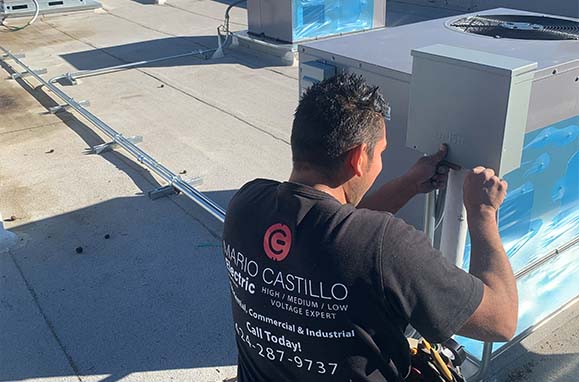
One of the most common inspection problems is incomplete or inaccurate panel labeling.
When breakers are not properly identified, it becomes difficult to:
- Shut off power during emergencies
- Troubleshoot electrical issues
- Perform maintenance safely
- Identify overloaded circuits
Inspectors expect commercial panels to have clear, accurate labeling for every circuit. Missing or confusing labels are often flagged immediately during inspections.
Electrical equipment must remain accessible at all times. Inspectors frequently encounter panels blocked by:
- Storage boxes
- Cleaning supplies
- Shelving
- Maintenance equipment
- Furniture or inventory
Insufficient clearance around electrical panels creates both safety and code compliance concerns.
Commercial inspections commonly verify that at least 36 inches of working space remains clear around panels and service equipment.
Moisture issues are another major inspection concern because they significantly increase the risk of electrical failures and fire hazards.
Inspectors often flag:
- Roof leaks above panels
- Condensation buildup
- Corrosion inside electrical rooms
- Wet floors near equipment
- Rusted enclosures
- Plumbing lines near electrical systems
Even small signs of water intrusion can indicate larger electrical safety problems that require immediate attention.
Emergency lighting systems are critical during power outages and emergency evacuations. Burned-out fixtures, failed backup lights, or dark exit pathways are common reasons properties receive inspection deficiencies.
Inspectors frequently identify:
- Non-working exit signs
- Dead emergency light batteries
- Poor exterior lighting coverage
- Flickering fixtures
- Pole light failures
- Broken photocells or timers
Exterior lighting issues can also create security concerns and liability risks for commercial properties.
Inspectors are trained to recognize warning signs that may indicate overheating electrical components.
Common red flags include:
- Burning smells or “ozone” odors
- Discolored breakers
- Melted insulation
- Hot panels
- Scorch marks
Excessive heat detected through infrared scanning
These conditions may point to overloaded circuits, loose connections, or failing equipment that could eventually lead to outages or electrical fires.
Mario Castillo Electric’s inspection process specifically includes checking for burning odors and performing infrared scans of accessible panels and switchgear.
| Common Inspection Failure | Why It Gets Flagged |
| Missing breaker labels | Emergency safety concern |
| Water near panels | Shock and fire risk |
| Failed emergency lighting | Unsafe evacuation conditions |
| Overheating equipment | Potential electrical failure |
Inspectors also pay close attention to panel integrity and wiring conditions.
Issues commonly flagged include:
- Missing panel covers
- Open breaker slots
- Missing punch-outs
- Loose wiring
- Unsecured conductors
- Damaged seals or gaskets
These openings can expose energized components, allow debris or moisture into equipment, and create unnecessary safety risks.
Mario Castillo Electric’s inspection checklists specifically evaluate wiring security, missing punch-outs, and proper panel sealing during commercial inspections.
How Property Owners Can Prepare Before an Electrical Inspection
Preparing for a commercial electrical inspection does not have to be complicated. In many cases, the properties that perform best during inspections are simply the ones that stay proactive with routine maintenance and address small issues before they become larger problems.
A little preparation can help property owners avoid delays, reduce repair costs, and improve overall safety throughout the building.
One of the easiest ways to prepare for an inspection is making sure inspectors can safely access all electrical equipment.
Before an inspection, property owners should:
- Remove storage blocking electrical panels
- Clear pathways inside electrical rooms
- Ensure panel doors can fully open
- Verify proper working space around equipment
- Make sure room lighting is functional
Inspectors cannot properly evaluate equipment if access is restricted or unsafe.
Emergency lighting problems are among the most common inspection issues, especially in commercial buildings with large common areas or exterior walkways.
Before an inspection, it helps to:
- Replace burned-out fixtures
- Verify exit signs illuminate properly
- Check emergency lights for operation
- Inspect exterior lighting after dark
- Confirm parking lot lights are working
- Test photocells and timers
Even a few non-working fixtures can create safety concerns during an inspection.
Mario Castillo Electric’s maintenance inspections specifically include emergency lighting checks, egress lighting reviews, exterior lighting evaluations, and photocell verification.
Property managers and maintenance teams should also pay attention to warning signs that may indicate developing electrical issues.
Common red flags include:
- Burning or “ozone” smells
- Flickering lights
- Warm electrical panels
- Frequently tripped breakers
- Buzzing sounds
- Visible corrosion or moisture
- Rust around equipment
These issues should never be ignored because they can point to overheating components, loose connections, or failing equipment.
Inspectors often appreciate seeing documentation that shows the property is actively maintained.
Helpful records may include:
- Previous inspection reports
- Repair history
- Lighting maintenance logs
- Electrical upgrades
- Panel schedules
- Preventative maintenance records
Keeping organized records can also help property owners track recurring issues and prioritize future repairs more effectively.
The easiest way to prepare for inspections long-term is through consistent preventative electrical maintenance.
Routine maintenance helps identify:
- Aging equipment
- Overheating components
- Lighting failures
- Grounding issues
- Safety concerns
- Areas needing upgrades
More advanced maintenance programs may also include infrared scanning, recurring issue tracking, and electrical upgrade planning to help properties stay ahead of expensive repairs.
| Simple Preparation Step | Why It Helps |
| Clear panel access | Improves safety and compliance |
| Test emergency lighting | Reduces inspection deficiencies |
| Address moisture issues | Prevents electrical hazards |
| Schedule maintenance checks | Catches problems early |
Many failed inspections come down to smaller issues that were easy to overlook:
- A burned-out exit sign
- A blocked panel
- A loose breaker label
- Moisture near electrical equipment
- A failed exterior fixture
Addressing these problems early can help property owners avoid larger repairs, safety risks, and unexpected downtime later on.
Preventative Maintenance Helps You Stay Inspection-Ready
Commercial electrical systems experience constant wear over time. Lighting systems run daily, panels handle changing electrical loads, and environmental conditions like heat, moisture, and dust can slowly impact equipment performance.
That is why many property owners rely on preventative electrical maintenance instead of waiting for problems to appear during an inspection or after an outage happens.
Preventative maintenance helps identify issues early, improve system reliability, and reduce the likelihood of failed inspections or unexpected electrical repairs.
Routine Inspections Help Catch Problems Before They Escalate
Many electrical problems start with small warning signs that are easy to miss during normal operations.
Routine maintenance inspections can help identify:
- Loose electrical connections
- Failing breakers
- Heat buildup inside panels
- Exterior lighting failures
- Moisture exposure
- Emergency lighting problems
- Aging electrical components
By catching these issues early, property owners can often complete smaller repairs before they turn into larger and more expensive failures.
Mario Castillo Electric’s maintenance programs include inspections of electrical panels, emergency lighting, interior and exterior lighting systems, and electrical room conditions.
Advanced Testing Provides Better Visibility Into System Health
Some electrical issues are not visible during a standard walkthrough. That is why preventative maintenance programs may also include advanced diagnostic testing to help uncover hidden risks.
Depending on the property and service level, inspections may include:
- Infrared thermal scanning
- Breaker testing
- Grounding continuity checks
- Exterior lighting reviews
- Photocell and timer verification
- Recurring issue tracking
These services help identify overheating components, overloaded circuits, and developing electrical problems before equipment fails unexpectedly.
| Preventative Maintenance Benefit | Why It Matters |
| Early issue detection | Reduces costly repairs |
| Infrared scanning | Finds hidden overheating |
| Lighting inspections | Improves safety |
| Routine evaluations | Helps maintain compliance |
Maintenance Programs Can Help Property Managers Stay Organized
For commercial properties and HOAs, preventative maintenance also creates a more structured approach to managing electrical systems over time.
Regular inspections can help property managers:
- Track recurring electrical issues
- Prioritize upgrades
- Plan future repairs
- Improve safety documentation
- Reduce emergency service calls
- Maintain more reliable building operations
More advanced maintenance programs may even include trend comparisons, upgrade planning, and priority service recommendations to help properties manage long-term electrical needs more effectively.
Staying Inspection-Ready Is Easier Than Recovering From a Failure
One failed breaker, overheated panel, or emergency lighting issue can disrupt an entire property. Preventative maintenance helps reduce those risks by keeping electrical systems consistently monitored and maintained throughout the year.
Instead of reacting to outages or failed inspections, property owners can take a proactive approach that improves safety, reliability, and long-term equipment performance.
Schedule a Commercial Electrical Inspection with Mario Castillo
Whether you manage a retail center, HOA, office building, warehouse, or multi-tenant commercial property, routine electrical inspections can help you identify safety concerns before they become larger problems.
Mario Castillo Electric provides commercial electrical inspections and maintenance services designed to help properties stay safer, more reliable, and inspection-ready year-round.
Their inspection programs can include:
- Electrical panel inspections
- Emergency and egress lighting reviews
- Infrared thermal scanning
- Exterior lighting evaluations
- Breaker and grounding checks
- Electrical room inspections
- Maintenance observation reporting
If your property is due for an inspection or you want to stay ahead of electrical issues before they lead to downtime or safety concerns, scheduling a preventative inspection is a smart place to start.
Frequently Asked Questions About Commercial Electrical Inspections
Commercial electrical inspectors evaluate electrical panels, emergency lighting, wiring conditions, grounding, code compliance, exterior lighting, and signs of overheating or electrical hazards.
Inspection frequency depends on the property type, electrical load, occupancy, and maintenance requirements. Many commercial properties benefit from annual or semi-annual inspections.
Common issues include unlabeled breakers, blocked electrical panels, failed emergency lighting, water near electrical equipment, exposed wiring, and overheating components.
Infrared electrical scanning uses thermal imaging technology to detect overheating electrical components that may not be visible during a standard inspection.
Emergency and egress lighting helps occupants safely exit a building during outages or emergencies. Inspectors verify that these systems operate properly and provide adequate visibility.
Sign Up For Blog Updates
Join the email list to receive updates and information.
"*" indicates required fields